When Wearing Yellow Starts to Feel Like a Chore: The Dark Side of Dressing for Happiness
Somewhere between the cobalt blue blazer posts and the influencer carousels packed with tangerine trench coats, something quietly shifted. What started as a genuinely joyful idea — that the colors you pull on in the morning could lift your mood, rewire your brain chemistry, and set the emotional tone for your entire day — has started to feel, for a growing number of people, like homework.
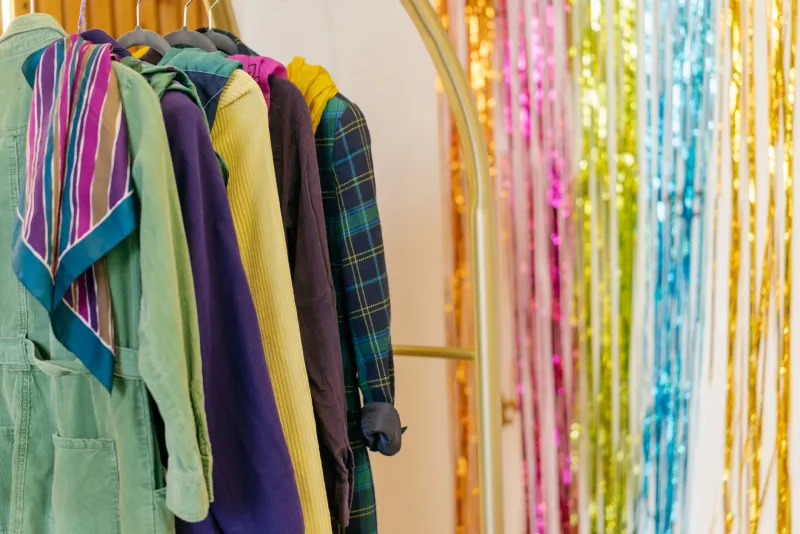
Dopamine dressing had a good run. It still does, technically. Search the term on TikTok and you'll find millions of videos promising that a neon green co-ord or a cherry red midi skirt is basically therapy you can wear. And to be fair, there's real science behind the idea. Color psychology has been studied for decades, and researchers have found genuine links between certain hues and emotional states. Warm yellows and oranges can trigger associations with energy and optimism. Cool blues tend to feel calming. Bright, saturated colors in general can signal confidence — both to the person wearing them and to everyone watching.
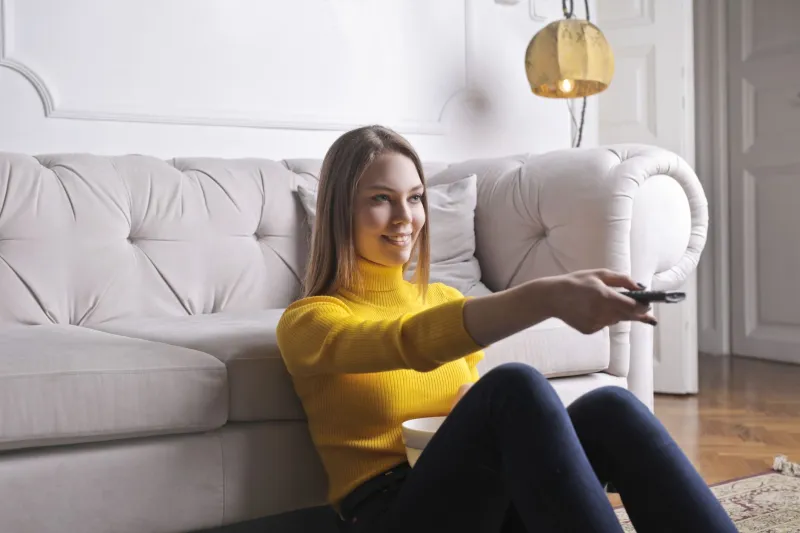
So why does getting dressed in a canary yellow sweater sometimes feel less like self-care and more like lying to your reflection?
The Pressure to Perform Positivity
Here's the thing nobody really talks about in those color-coded outfit-of-the-day posts: there's a difference between wearing something that genuinely makes you feel good and wearing something because you've been told it should make you feel good. And that gap — quiet, easy to miss, but very real — is where a lot of people are starting to live.
When a trend becomes a prescription, it stops being a choice. And once getting dressed becomes another optimization task on your already overwhelming mental to-do list, the whole point kind of collapses.
Dr. Carolyn Mair, a behavioral psychologist who's written extensively on fashion and the mind, has pointed out that our relationship with clothing is deeply personal and wildly context-dependent. What makes one person feel electric in a fire-engine red dress makes another feel exposed and anxious in the exact same piece. Color doesn't operate in a vacuum — it moves through the filter of your personal history, your cultural background, your current mental state, and frankly, just your vibe that particular Tuesday morning.
When social media flattens all of that nuance into a single cheerful message — wear bright colors, feel better — it can actually create a new layer of stress. If the yellow doesn't fix your mood, what does that mean? Are you doing wellness wrong? Are you somehow immune to joy?
The Authenticity Argument
There's a counter-movement happening, and it's not quite minimalism, not quite the beige-everything aesthetic that's been quietly dominating home decor. It's something more personal and harder to hashtag: people returning to wearing whatever actually reflects how they feel, rather than what they've been coached to project.
For some, that means leaning back into their natural color instincts — deep burgundies, washed-out neutrals, forest greens — not because those colors are trending or because a Pinterest board told them to, but because those are the shades that feel honest. For others, it means mixing bright and muted in ways that don't follow any particular formula. A person in a gray sweater and bright yellow earrings isn't failing at dopamine dressing. They might actually be doing something smarter: finding their own specific frequency.
This is where the conversation gets genuinely interesting. Because authenticity and optimization are, in a lot of ways, at war with each other right now — not just in fashion, but across lifestyle culture broadly. We are constantly being handed systems: morning routines, sleep scores, gut health protocols, and yes, color-coded wardrobes that are supposed to engineer better versions of ourselves. And all of those systems, individually, might have real merit. But stacked on top of each other, they start to feel less like liberation and more like a second job.
What the Research Actually Says
Let's be honest about the science for a second, because it's more complicated than the trend content suggests. Yes, color can influence mood. But the effect sizes in most studies are modest, highly individual, and deeply tied to context. A hospital study might find that blue walls reduce patient anxiety. That does not mean a cobalt jumpsuit will cure your Sunday scaries.
What research does suggest more consistently is that intentionality in dressing matters. When people feel like their clothing reflects a genuine choice — something that aligns with their identity, their mood, or their values — they tend to report higher confidence and emotional comfort. The color itself is almost secondary. The act of choosing with awareness is what moves the needle.
Which means the dopamine dressing influencer who built her whole brand around bold color might genuinely feel amazing in it — because it's authentically hers. And the person who copied the look because they saw it perform well online might feel nothing, or worse, feel like a fraud in their own outfit.
Getting Dressed Without the Agenda
So what does a healthier relationship with color and clothing actually look like? Probably messier and less Instagrammable than the trend suggests.
It might look like wearing the rust-orange cardigan on a hard day because it feels like a hug, not because someone told you warm tones boost serotonin. It might look like reaching for the gray hoodie without guilt when gray is genuinely what you need. It might look like noticing — actually noticing, not just performing noticing for your Stories — how different colors make you feel in your own specific body and life.
It might also look like giving yourself permission to stop treating your wardrobe as a mood management tool entirely, at least some of the time. Sometimes clothes are just clothes. Sometimes a shirt is just a shirt you grabbed because it was clean.
There's something kind of radical about that, honestly. In a culture that wants to optimize every single input in your life, choosing to just exist in whatever you're wearing without assigning it therapeutic value is almost an act of resistance.
The Bottom Line
Dopamine dressing isn't a lie, exactly. Color does affect how we feel, and dressing intentionally can be a genuine form of self-expression and even self-care. But like most wellness trends that get supercharged by social media, it's been stretched past its actual utility into something closer to performance.
The people who seem to have the healthiest relationship with their wardrobes aren't the ones following color psychology charts or chasing the dopamine hit of the boldest possible palette. They're the ones who've figured out what feels like them — whatever color, whatever vibe, whatever level of loud or quiet — and wear that without needing it to fix anything.
Maybe that's the real upgrade. Not a brighter color. Just a more honest one.