Half-Watching Is the New Watching: Confessions of America's Split-Screen Evenings
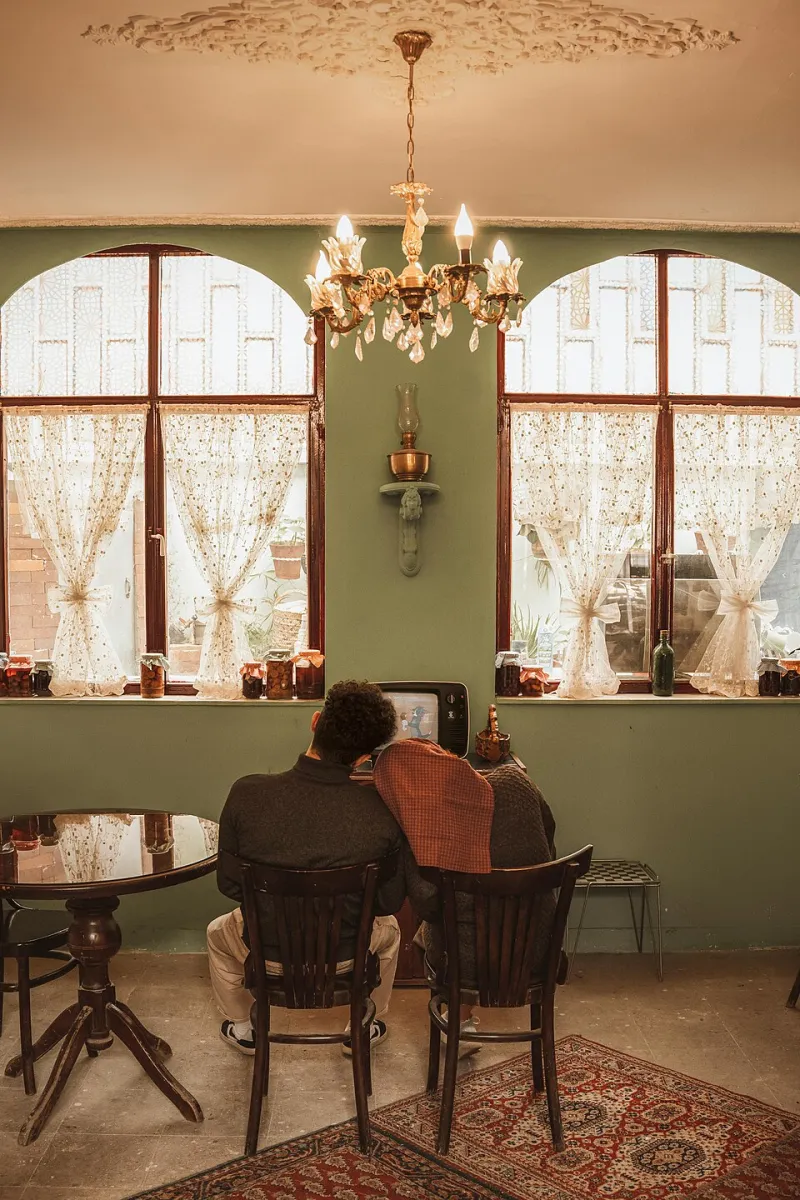
Photo: Voyefex11, CC0, via Wikimedia Commons
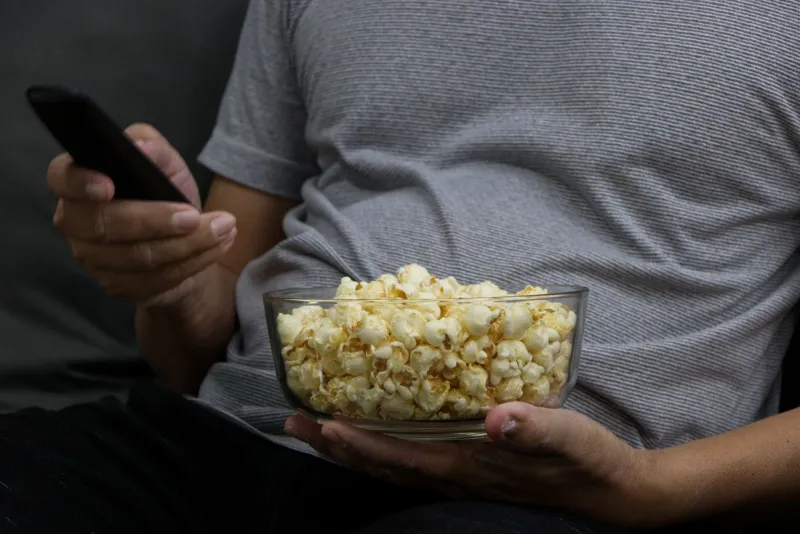
Ask around any American living room after 8 PM and you'll find the same scene in a hundred variations: the TV is on, the phone is glowing, a craft project is spreading across the coffee table, and someone is 'watching' a three-hour true crime documentary they could not summarize under oath.
We have entered the era of half-watching — and it's less a bad habit than a whole operating system.
A Night in the Life (Yours, Probably)
Consider a composite evening, assembled from a very unscientific survey of basically everyone I know:
7:40 PM. Maya, 29, puts on a buzzy new docuseries. Her Switch and her phone are also within arm's reach. She's technically watching.
8:15 PM. Her boyfriend has cued up a two-hour video essay about a movie neither of them has seen, because the narrator's voice is 'good for background.' It is, functionally, radio with homework.
9:00 PM. Maya starts crocheting. The show is now an audio experience. She follows the plot the way you follow a conversation at a loud party — in fragments, with confidence.
10:30 PM. The finale ends. Neither of them can tell you how it ended. They had, by all measures, a lovely evening.
Multiply that by tens of millions of households and you get the cultural moment: split-attention entertainment as the national default.
The Numbers Behind the Noise
The data backs the vibe. Industry surveys consistently show a majority of streamers using a second screen while watching TV, with the number climbing even higher among younger viewers. Content built for this reality has flourished accordingly — reaction videos, low-stakes competition shows, and video essays function as ambient furniture. You don't watch them so much as inhabit them.
Streaming platforms have adapted in kind. Autoplay, episode previews designed to work at a glance, recaps you can skim instead of rewatching — the whole interface assumes your attention is divisible. The tech isn't fighting your split focus. It's built for it.
Grief for the Family Movie Night
There's a genuine nostalgia hangover here. The communal, phones-down, everyone-watches-the-same-thing movie night is becoming a holiday-tier event rather than a Tuesday. Media companies quietly mourn it; parents battle for it; and everyone agrees it was nice while acknowledging that nobody can fully remember how it worked.
Critics call this the death of deep viewing. And sure — something has been lost. The ability to sit with a slow, demanding film and give it your whole self is a skill, and skills atrophy. There's a real argument that we're training ourselves out of sustained attention one background docuseries at a time.
Or: A New Kind of Ritual
But here's the counterargument worth taking seriously. Half-watching isn't new — it's just upgraded. Our parents read magazines during sitcoms, did crosswords through baseball games, and called it relaxing. The second screen didn't invent divided attention; it digitized it.
And for a generation that treats evenings as the only unstructured time in an over-scheduled life, stacking activities is a coping mechanism as much as a vice. The crochet + documentary combo isn't distraction — it's self-regulation. Hands busy, brain gently occupied, anxiety at a manageable hum. Some therapists would call that a feature, not a bug.
There's also a social layer the doomsayers miss: half-watching is often together. Two people in a room, each on their own screen, commenting into the shared air — it's parallel play, and it counts.
The Honest Verdict
So is deep viewing dying? Probably not dying — going premium. The shows that genuinely demand your whole attention still get it, just more rarely, and often solo, with the lights off and the phone in the other room like it's a special occasion. Meanwhile, the middle tier of content — the stuff that's fine, the stuff that's vibes — has been permanently reassigned to background duty.
Which means the real question isn't whether split-attention viewing is ruining us. It's whether we're choosing our half-watched content as intentionally as we choose the full-attention stuff.
Tonight, look up from your crochet for one second and ask: is this show earning even half my attention?
If the answer is yes — carry on. That's not distraction. That's modern life, running exactly as designed.