The Quietest Room in Town Is Packed: How Silent Reading Became a Night Out
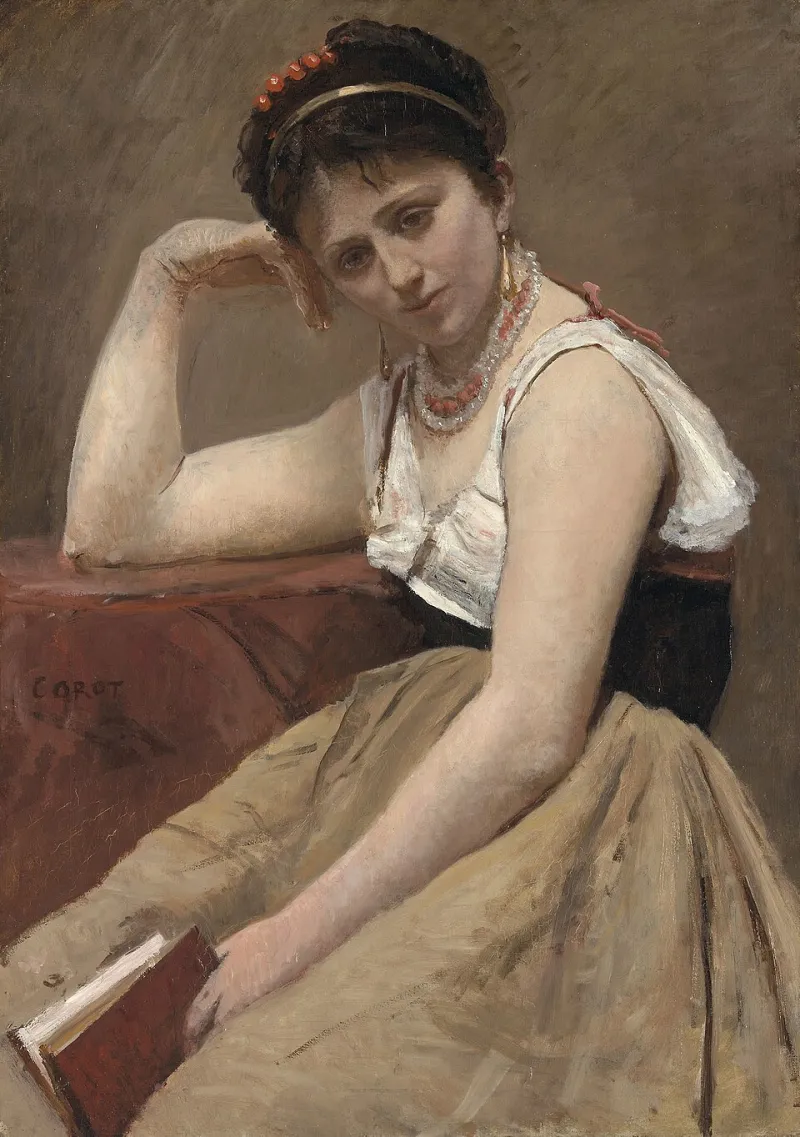
Photo: Jean-Baptiste Camille Corot, Public domain, via Wikimedia Commons
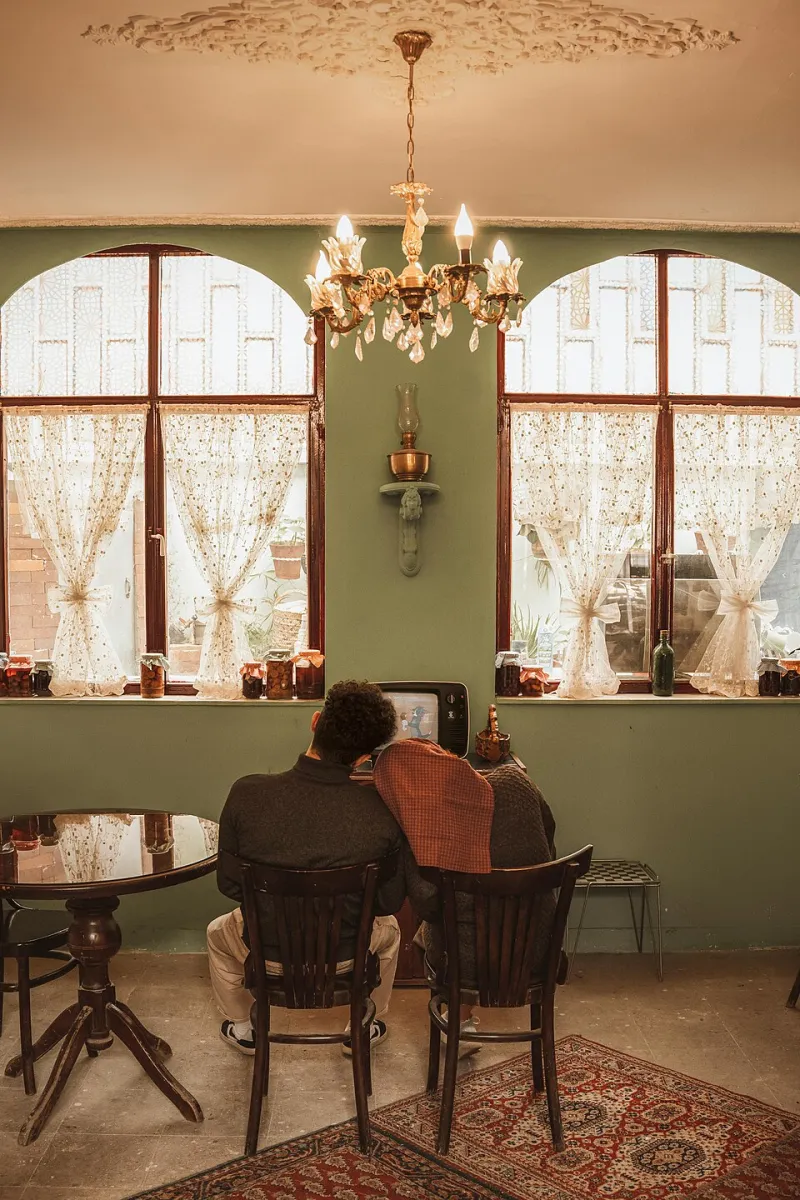
At 7:15 on a Friday, the back room of a neighborhood bar in Brooklyn looks like a study hall for adults who finally got their lives together. There is a crowd. There is a line for drinks. There is also a lot of eye contact with paperbacks and very little eye contact with each other. Welcome to the silent book club, where the night out has been stripped down to the most radical thing a group of strangers can do together in public: read.
The format is almost embarrassingly simple. You show up with whatever you are reading. You order something if you want. You settle into a chair, open your book, and read for an hour or so in companionable silence. Many groups add a short before-and-after window for chatting, but the main event is the quiet. No icebreakers. No slideshow. No one asking what you do for work. Just a room full of people choosing to be alone together, which turns out to be a very specific kind of relief.
The Anti-Networking Night Out
Silent book clubs are not new, but they have moved from niche experiment to familiar sight in US cities and suburbs. You can find them in Austin dive bars, Portland coffee shops, Chicago parks, and small-town libraries that never expected to be cool. The appeal is partly practical: reading is cheap, the event is low-effort, and you can leave without hurting anyone's feelings. But the deeper draw is social. These gatherings offer belonging without performance, which is increasingly rare in a culture that treats every night out like a content opportunity.
Think about the standard social script. You meet at a bar. You shout over music. You ask questions you do not really care about. You leave tired and vaguely behind on your own life. A silent book club flips that script. You meet at a bar. You read. You leave with a few pages under your belt and a strange sense of having been around people without being drained by them. It is not antisocial. It is selectively social.
Why Silence Feels Social
There is a real comfort in reading next to someone. You are not ignoring them. You are sharing a room and a mood. The silence is not awkward because everyone agreed to it. That agreement does a lot of work. It removes the pressure to be interesting, which means you can actually relax. For people who like people but hate small talk, it is close to a perfect arrangement.
The setting matters, too. A bar or cafe is a third place, not home and not work. It has ambient noise, low lighting, and the gentle chaos of other people living their lives. Reading in public adds a little edge to something usually private. You are not hiding from the world. You are in it, just with your attention pointed elsewhere. That is a different kind of night out, and for a lot of people it lands better than another loud dinner.
The Rules Are the Point
The etiquette is simple, which is part of the charm. Bring a book, or an e-reader, or even a tablet if you can keep it to reading. Put your phone away, or at least face down. Order something if the venue asks you to. Keep the chatter for the designated social window. Do not narrate what you are reading to the person next to you. Do not ask for a summary. Do not treat the silence as a personal challenge to fill.
Most organizers are flexible. Some groups are strictly silent for the full hour. Others do thirty minutes of reading and thirty minutes of optional conversation. Some meet monthly; some meet weekly. The common thread is that the reading comes first. That is the event. The socializing is a bonus, not the obligation. In a culture that constantly pushes us to optimize our free time, there is something quietly rebellious about spending a scheduled evening doing one slow thing in a room full of strangers.
How to Find One — or Start Your Own
Finding a silent book club is usually easier than people expect. Search local event listings, library bulletin boards, and neighborhood social groups. Ask at independent bookstores and coffee shops; they often know who is already meeting. If nothing exists, start one. Pick a venue that is happy to have a calm crowd on a slow night. Set a clear time, a simple format, and a short list of expectations. You do not need a logo or a nonprofit board. You need a room, a date, and a few people willing to sit quietly with books.
The first gathering might be three people. That is fine. The second might be seven. The point is not scale. The point is creating a low-stakes place to be around others without having to perform. Life is loud and in full color, and that is usually the fun part. But every now and then, the best way to turn the volume up on your own life is to sit in a crowded room and turn the page.