What You Put On in the Morning Is Actually a Prescription You Write for Yourself
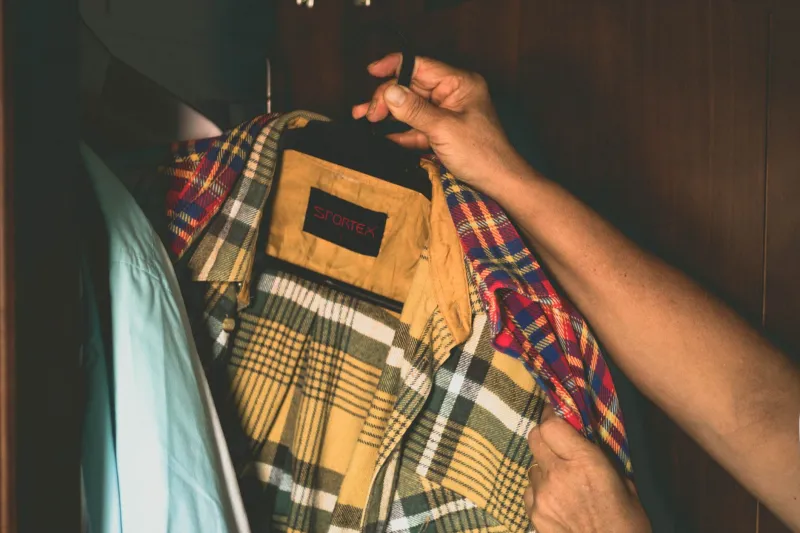
Somewhere between the second alarm snooze and the first cup of coffee, most of us make a decision that quietly shapes the next twelve hours. We stand in front of a closet — maybe a chaotic one, maybe an aggressively organized one — and we pick something to wear. It feels mundane. It is anything but.
That choice, researchers and stylists are increasingly arguing, is a micro-dose of emotional medicine. And the science behind why certain outfits hit different is way more interesting than fashion magazines have traditionally let on.
The Brain Has a Dress Code
Here's what's happening under the hood. When you slide on a piece of clothing that makes you feel good — genuinely good, not just "fine" — your brain registers a small but meaningful reward. Dopamine, the same neurotransmitter involved in everything from finishing a great meal to nailing a presentation, gets a little nudge. It's not a flood. It's a flicker. But those flickers add up.
Dr. Tanya Osei, a behavioral neuroscientist based in Chicago who studies sensory-emotional feedback loops, puts it plainly: "We tend to think of dopamine as this big dramatic reward chemical, but it's actually very active in small, anticipatory moments. Choosing to wear something that aligns with how you want to feel — or how you want to be perceived — activates that system before you've even left the house."
This is sometimes called "enclothed cognition," a term coined in a 2012 study that showed people wearing lab coats performed better on attention tasks than those who didn't — even when the coat's symbolic meaning was explained to them first. The clothes weren't magic. But the meaning attached to them was doing real cognitive work.
From Mood Dressing to Micro-Hacking
The idea of dressing for your mood isn't new. What is new is the level of intentionality Gen Z is bringing to it — and the vocabulary they've built around the practice.
Scroll through TikTok or Pinterest for about four minutes and you'll find creators meticulously explaining their "outfit as armor" strategy for job interviews, their "soft launch" dressing for first dates, their "main character" looks for days when they need to feel like the protagonist of their own life. This isn't vanity. Or at least, it's not only vanity. It's a pretty sophisticated emotional toolkit being assembled in real time.
Jordan Reyes, a 24-year-old stylist in Los Angeles who works with both individual clients and small brands, says she started noticing the shift about three years ago. "My clients stopped asking me to make them look good and started asking me to make them feel a specific way," she says. "Someone would come in and say, 'I need to feel grounded this week,' or 'I need something that makes me feel like I have my life together even when I don't.' That's a completely different ask than 'I need an outfit for a party.'"
Reyes now builds what she calls "emotional wardrobes" for clients — essentially capsule collections organized not by occasion but by intended feeling. Confidence. Calm. Playfulness. Softness. Each category has its own textures, silhouettes, and colors, chosen specifically to trigger the sensory associations the client responds to.
The Texture Factor Nobody Talks About
Color gets most of the attention in conversations about mood dressing — and fair enough, the psychology of color is real and well-documented. But texture might actually be doing more heavy lifting than we give it credit for.
"Touch is one of the most direct routes to the nervous system," says Dr. Osei. "A scratchy collar can keep someone in a low-grade state of irritation all day without them even connecting it to how they're feeling. Conversely, something soft against the skin — a brushed cotton, a loose knit — can have a genuinely calming effect because it's activating the same sensory pathways as a comforting touch."
This is why the oversized hoodie has become something close to a cultural institution. It's not just cozy aesthetics. It's a full-body sensory signal that says: safe, contained, low-stakes. For a generation navigating anxiety at record rates, that's not a small thing.
Reyes agrees. "When I'm building a 'calm' category for a client, I'm thinking about weight and drape as much as color. There's something about a heavier fabric that feels grounding — like being held. People don't always have language for it, but they know it when they feel it."
The Puzzle Satisfaction of Nailing an Outfit
Ask anyone to describe their best outfit days — the ones where everything clicked — and you'll notice a pattern in how they talk about it. They rarely say "I looked great." They say things like "I just knew it was right" or "it all came together" or "I felt like myself."
That sense of resolution, of pieces fitting, is its own dopamine moment. It's the same satisfaction as finishing a puzzle or solving a problem. You assembled something from variables — color, texture, silhouette, context, mood — and it worked. Your brain notices.
"There's a creative problem-solving element to getting dressed that people underestimate," says Reyes. "When someone finds the right combination, they're not just happy about how they look. They're proud of the decision they made. That confidence carries."
This might explain why so many people report that their most productive days are often the ones where they put in a little extra effort getting dressed — even when working from home, even when no one else will see them. The act of solving the puzzle sets a tone.
Building Your Own Wearable Wellness System
You don't need a personal stylist or a color psychology certification to start treating your closet like a wellness tool. The entry point is simpler than it sounds: pay attention.
Notice which pieces you reach for when you're anxious versus when you're feeling bold. Notice how certain fabrics affect your energy by midday. Notice whether you feel more like yourself in structured clothes or loose ones, and whether that changes depending on what you're walking into.
Once you start tracking those patterns — even loosely, even just mentally — you can start making more intentional choices. Not every day requires a full emotional audit. But on the days when you need a little extra support, knowing that your closet has a "grounding" section or a "confidence" shelf is genuinely useful.
Fashion has always been personal. What's shifting is the awareness that personal means psychological, not just stylistic. The jacket you keep reaching for on hard days isn't just a good jacket. It's a tool you've already figured out how to use. You just might not have had the language for it yet.
Now you do.