2 PM Is the New Prime Time: How Afternoon Watching Became America's Hottest Habit
The Clock Nobody Told You Changed
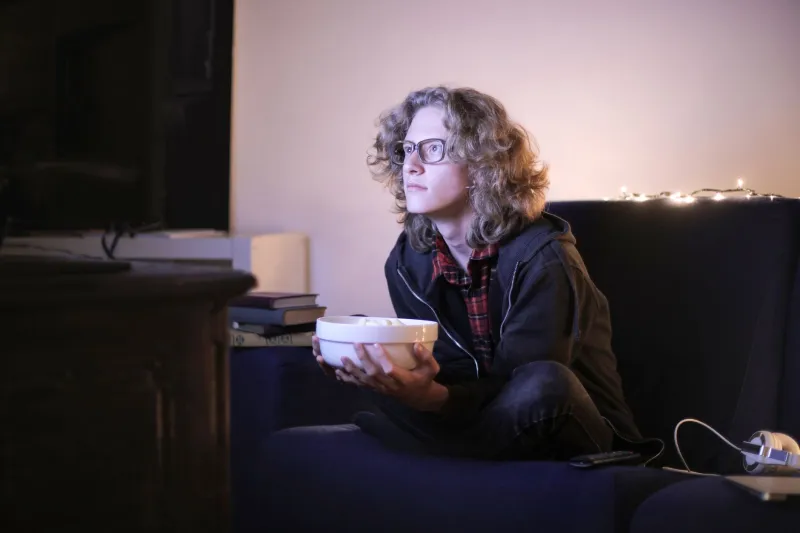
For decades, the entertainment industry operated on a simple assumption: people work during the day, and they watch things at night. Networks built empires around it. The 8 PM slot was sacred. Advertisers paid fortunes to own it. Families structured their entire evenings around it.
Then remote work happened. Gig culture happened. The streaming revolution happened. And slowly, almost without anyone officially announcing it, the clock broke.
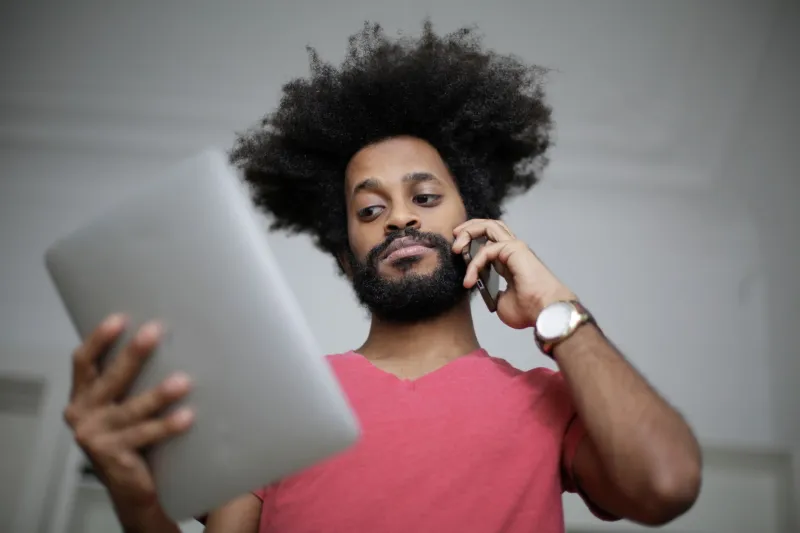
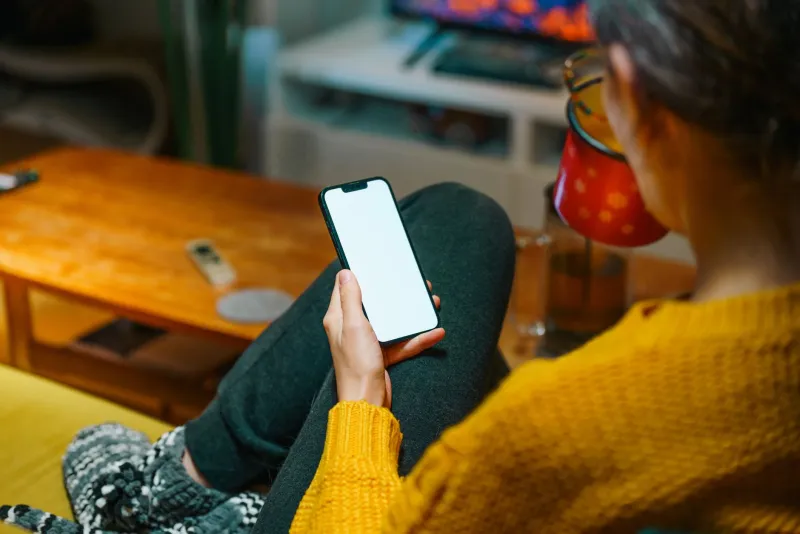
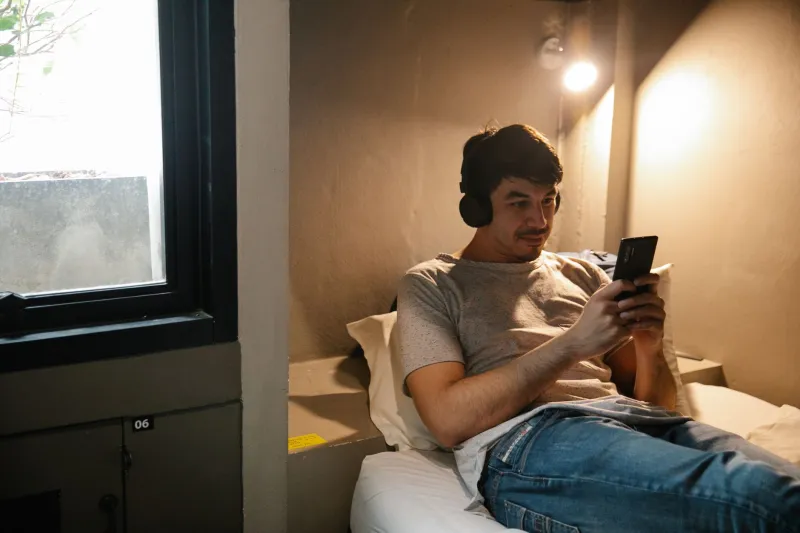
Ask around and you'll find them everywhere — the afternoon watchers. The person who finishes a work call at 1:45 and rewards themselves with forty minutes of a prestige drama before their next meeting. The freelancer who treats 2:30 PM like other people treat Friday night. The parent who, once the kids are at school and the inbox is manageable, sinks into the couch with something genuinely good and actually feels it.
"I used to feel guilty about it," admits Dana, a 34-year-old graphic designer in Austin who works from home. "Like I was doing something wrong by watching a show in the afternoon. And then I realized — I'm more relaxed, I'm actually paying attention, and I'm not half-asleep like I always was at 10 PM. Why was I waiting?"
She's not alone. Not even close.
The Death of Appointment Television (And What Filled the Void)
Appointment television — the idea that you must be in front of a specific channel at a specific time or you'll miss it forever — is essentially dead. Streaming killed it softly over the course of a decade. When you can watch anything at any time, the concept of a "prime time" becomes more personal than institutional.
Platform analysts have started noticing the data shift. Viewing patterns that once clustered heavily between 7 PM and 11 PM are spreading out, with a notable surge in what some in the industry are calling the "afternoon window" — roughly 1 PM to 5 PM on weekdays. It's not replacing evening viewing entirely, but it's growing in ways that are impossible to ignore.
The reasons are layered. Remote and hybrid work schedules give millions of Americans flexibility they simply didn't have before. The gig economy has created a workforce that doesn't operate on a 9-to-5 rhythm. And an increasing number of people — particularly millennials and Gen Z — are actively restructuring their days around energy levels rather than clock time.
"There's this growing awareness that your brain isn't the same at 9 PM as it is at 2 PM," says one streaming industry consultant who asked to remain anonymous. "People are realizing they can give their favorite shows a better version of themselves if they just... shift when they watch."
The Afternoon Vibe Is Different — and People Know It
Here's something the data doesn't fully capture: afternoon watching feels different. The light coming through the window is different. The house is quieter in a different way. There's no pressure to stay awake, no mental residue from a full day of decisions and interactions.
Marcos, a 29-year-old in Chicago who does freelance video editing, describes his afternoon watching ritual with the kind of specificity usually reserved for coffee orders. "I make a real lunch, I sit somewhere with good light, and I watch something that I actually want to think about. Not background noise. Not something I've already seen. Something new. It's honestly the best part of my day."
This intentionality is a big part of what's driving the shift. Evening watching, for a lot of people, has become passive — something that happens to them after a long day rather than something they actively choose. Afternoon watching, by contrast, tends to be a deliberate act. A reward. A ritual.
That psychological distinction matters more than it might seem.
Spoiler Culture Gets Complicated
Of course, there's a social wrinkle in all of this. When millions of people are watching at 2 PM and millions more are waiting until 9 PM, spoiler dynamics get genuinely weird.
The old unspoken rule — don't post spoilers until the next morning — is quietly dissolving. Afternoon watchers are already flooding social media with reactions by dinnertime, while evening viewers are desperately trying to avoid their feeds. Discord servers and fan communities are developing increasingly elaborate etiquette around spoiler windows, with some even creating separate channels for "day watchers" and "night watchers."
"I had to mute like fifteen accounts last week because I was saving an episode for after dinner," says Priya, a 31-year-old teacher in Atlanta. "People just don't wait anymore. Which, honestly, I get — but it's chaotic."
Content creators on social platforms are adapting too, with some posting spoiler-free reaction content in the early afternoon and following up with full-discussion posts in the evening. It's a small thing, but it signals how deeply the afternoon shift is rippling through entertainment culture.
Hollywood Is Paying Attention
Behind the scenes, the production side of entertainment is starting to take notice. Streaming platforms are increasingly investing in shorter-form content — 25 to 40 minute episodes, limited series with contained narratives — that fits naturally into an afternoon break without demanding a four-hour commitment. It's not a coincidence.
There's also a growing conversation about content tone as it relates to time of day. Some showrunners have noted, anecdotally, that lighter, more emotionally satisfying content tends to perform particularly well in afternoon viewing windows, while darker, more intense prestige drama holds stronger in evening slots. Whether platforms will eventually start optimizing release strategies around time-of-day behavior is still an open question — but it's being asked.
For now, the afternoon audience is largely self-organizing, finding its own rhythms and building its own culture around a habit that didn't really have a name until recently.
The Golden Hour Nobody Claimed
There's something kind of beautiful about it, actually. For most of television history, the afternoon was a wasteland — soap operas, talk shows, reruns. The good stuff was always saved for later. The implication was clear: daytime audiences didn't deserve prestige. They weren't the real audience.
That assumption has aged terribly. The "real audience" is now everywhere, watching everything, at whatever time genuinely works for them. And a growing number of those people have decided that 2 PM, with good light and a clear head and nowhere urgent to be, is exactly the right time to watch something that matters to them.
Prime time isn't dead. It's just personal now. And for a lot of Americans, it turns out it falls right in the middle of the afternoon.