Why Your Feed Is Full of Cottagecore and Cake Videos Right Now (And Your Brain Is Totally Fine With It)

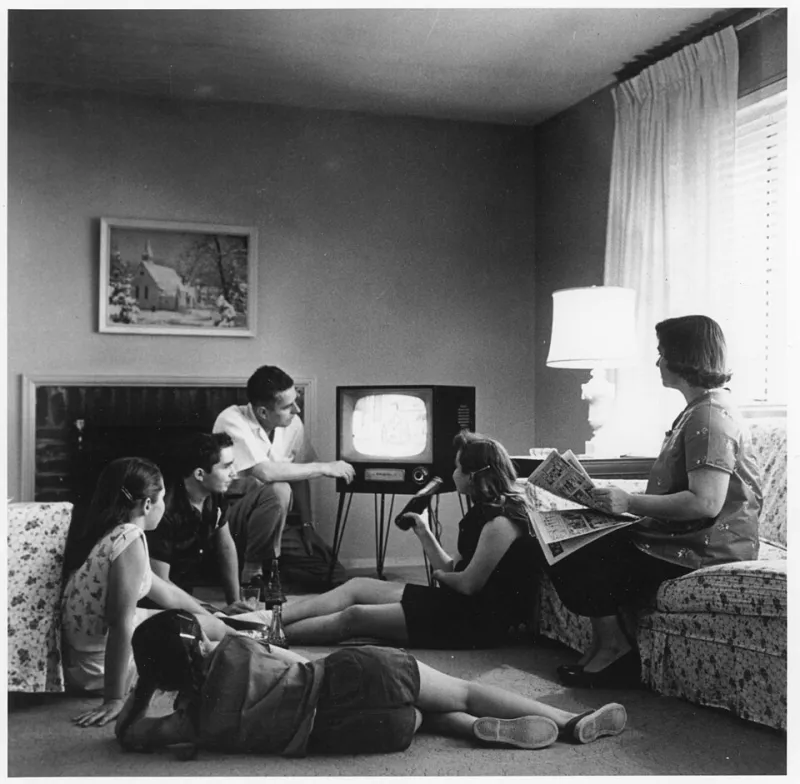
Photo: PattayaPatrol, CC BY-SA 4.0, via Wikimedia Commons
Picture your TikTok For You page on a Tuesday night. There's a video of someone arranging wildflowers in a mason jar. Then a time-lapse of a cake being frosted in slow, satisfying strokes. Then a golden-hour reel from a farm in Vermont with 2.4 million likes and a comment section full of people saying some version of I needed this today.
This is not an accident. This is the internet doing something it rarely gets credit for: taking care of people.
The Feed Didn't Always Look Like This
Spend five minutes reading about the history of social media content trends and you'll notice a pretty clear arc. The early days were chaotic and weird in a fun way — niche humor, viral randomness, the era of the single white guy lip-syncing in his car. Then things got aspirational. Then performative. Then, for a while, genuinely exhausting.
The term "doomscrolling" entered the mainstream vocabulary around 2020 for a reason. Platforms optimized for engagement, and for a while, outrage and anxiety were the most engaging things on the menu. People kept scrolling not because they felt good but because they couldn't stop — the way you can't stop pressing a bruise.
But something started shifting. Quietly at first, then all at once.
Creators who posted slow, colorful, low-stakes content — bread baking, plant repotting, elaborate stationery hauls, sunlit kitchens — started seeing their numbers climb in ways that didn't match the conventional wisdom about what "performs." Turns out, when people are exhausted and overstimulated, they don't always want more stimulation. Sometimes they want a woman in a linen apron making soup.
The Psychology of Pretty and Calm
There's real science behind why this kind of content lands so hard when people are stressed. Visually appealing, low-conflict media activates what researchers call the default mode network — the part of your brain that hums along when you're not actively problem-solving. It's the mental equivalent of a warm bath. Your nervous system gets a minute to stop bracing for impact.
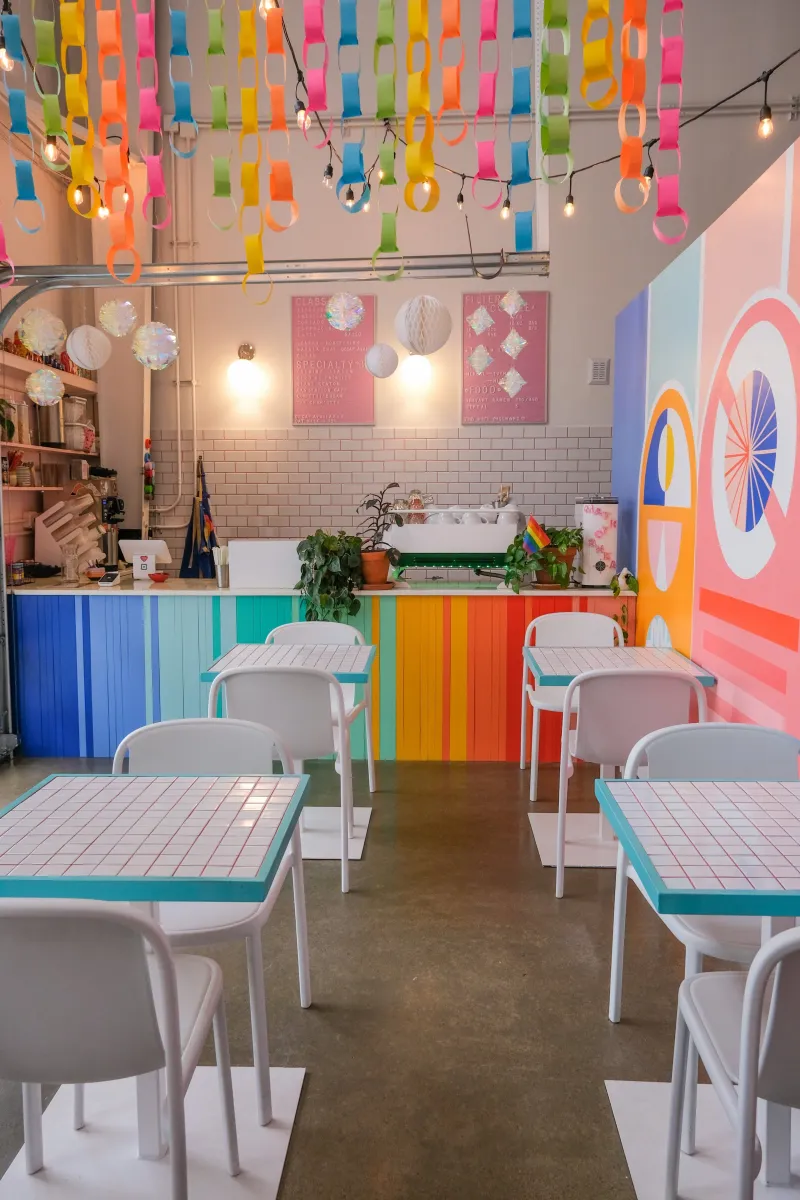
Bright, saturated colors in particular have a documented effect on mood. Warm yellows and soft pinks are associated with safety and comfort. Lush greens trigger associations with nature and rest. Pinterest's entire aesthetic dominance over the last several years is partly a function of this — the platform became a place people go not to engage, but to feel. To wander through images of beautiful rooms and garden paths and charcuterie boards and just... exhale.
Content creators figured this out through trial and error before the research caught up. Kayla, a lifestyle creator based in Nashville who runs a channel focused on what she calls "slow living" content, noticed the change in her own analytics around late 2021. "I posted a video of me making chamomile tea and reorganizing my bookshelf, and it got more views than anything I'd done in a year," she said. "People were leaving comments like it was a therapy session. I realized they weren't just watching me make tea — they were using it to decompress."
Cottagecore, Cozy Gaming, and the Rise of the Aesthetic Escape
The aesthetics that dominate feel-good content right now are telling. Cottagecore — all linen, wildflowers, worn wood, and pastoral softness — is essentially a fantasy of radical simplicity. It says: what if life was just herbs and handwritten letters and nothing was on fire?
Cozy gaming content (think Stardew Valley streams, Animal Crossing tours, Unpacking playthroughs) operates on the same frequency. These are games where you can't really lose, where the whole point is to tend and arrange and build without threat. The content around them is equally gentle — people narrating their in-game flower arrangements in the same tone you'd use to describe a really good afternoon.
Then there's the broader "satisfying video" genre — kinetic sand, soap cutting, slime, the deeply specific joy of watching someone organize a pantry with perfect uniformity. These videos have almost no narrative content. They're just textures and order, and they rack up hundreds of millions of views. The appeal isn't intellectual. It's almost physical — a kind of vicarious sensory calm.
But Is It Actually Helping?
Here's where it gets a little complicated, and honestly, more interesting.
Escapism has always gotten a bad rap — the implication being that if you're running away from something, you're not dealing with it. But mental health professionals have been pushing back on that framing for years. Escapism, done intentionally, is a legitimate form of emotional regulation. You can't problem-solve when you're dysregulated. Sometimes you need to not think about it before you can think about it clearly.
The distinction that matters is whether the escape is chosen or compulsive. Watching thirty minutes of cottage aesthetic content because it genuinely helps you wind down before bed? That's a tool. Spending four hours on it to avoid a conversation you need to have? That's avoidance wearing a linen apron.
The tricky thing about algorithm-driven platforms is that they're not great at respecting that distinction. They're designed to keep you in the feed as long as possible, and comforting content is very good at that. The gentle, low-stakes videos don't create urgency — they create a kind of pleasant suspension. Which is exactly what makes them both soothing and easy to overdo.
The Creators Building This World
What's interesting about the people driving this trend is how intentional many of them are about it. The most successful creators in the slow-living, cottagecore, and cozy content space talk about their work in terms that sound almost therapeutic — they want to create a feeling, a space, a moment of genuine rest for their audience.
Marco, a food content creator in Portland who specializes in what he describes as "extremely unnecessary but extremely beautiful" dessert videos, puts it simply: "I'm not trying to teach anyone anything. I just want them to watch this and feel like the world is okay for three minutes. If I can do that, I've done something real."
There's something genuinely moving about that as a creative mission. In a media landscape that often measures value in terms of information or impact, someone making a video purely to give people three minutes of okay is a pretty radical act.
Vivid, Bright, and Unapologetically Soft
The shift toward colorful, feel-good content isn't a sign that American audiences are checked out. If anything, it's the opposite — it's people actively managing their own mental states in a media environment that wasn't designed with their wellbeing in mind.
The feed got loud. So people built something quieter inside of it. And the fact that millions of people are finding each other there, in the comments of a cake video or a sunset reel, saying I needed this — that's not avoidance. That's community. That's life, loud and in full color, just turned down to a frequency that doesn't hurt.
And sometimes, that's exactly what you need.