The Comfort Zone Trap: Why We Keep Rewatching the Same Shows Instead of Finding the Next Big Thing
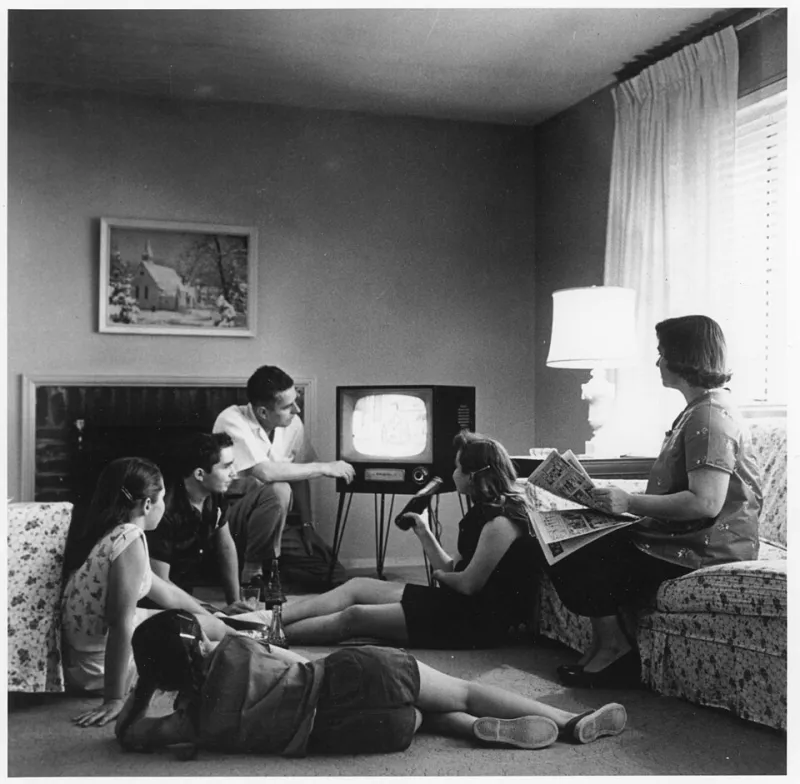
Photo: Evert F. Baumgardner, Public domain, via Wikimedia Commons
At some point in the last few years, you've probably rewatched The Office. Or Friends. Or Schitt's Creek for the third time. Maybe you told yourself you were just putting something on in the background. Maybe you genuinely forgot how the Threat Level Midnight episode ends (you didn't). Either way, you chose the familiar over the unknown, and you are absolutely not alone.
Streaming analytics consistently show that a significant chunk of American viewing time goes toward content people have already seen — sometimes multiple times. Meanwhile, entire catalogs of genuinely compelling, weird, beautiful, underrated television sit untouched, collecting digital dust on platforms people pay monthly just to access them.
So what's actually going on here? Why do we keep returning to the same ten shows when there are thousands of options? And is there a cost to living inside our own entertainment comfort zones?
The Psychology of the Familiar
Let's be honest about something first: rewatching isn't a flaw. It's not a sign of laziness or lack of curiosity. It's a deeply human response to stress, uncertainty, and the general chaos of being alive in 2024.
Dr. Cristel Russell, a researcher who has studied media consumption and what she calls "re-consumption" behavior, found that people revisit familiar content for several distinct reasons — nostalgia, the desire to share something with a new person, and what she describes as "a need for comfort." That last one has become especially relevant in a world where the news cycle alone can feel like a psychological endurance sport.
When you rewatch New Girl or Parks and Recreation, your brain already knows the emotional arc. You know Leslie Knope wins in the end. You know the jokes that are coming. That predictability isn't boring — it's actually relaxing. Your brain can enjoy the experience without the cognitive load of tracking new characters, new plots, and new emotional stakes. It's the TV equivalent of eating your favorite meal on a hard day. Nobody's judging you for ordering the usual.
The Algorithm Isn't Your Friend (It's Your Mirror)
Here's where things get a little more complicated — and a little more frustrating. Streaming platforms are businesses, and their recommendation algorithms are optimized for one thing: keeping you watching. The problem is that "keeping you watching" and "showing you something genuinely new" are often in direct tension.
If you've watched Breaking Bad twice, the algorithm learns that you like Breaking Bad. It shows you more things like Breaking Bad. Which you watch. Which tells the algorithm you really like Breaking Bad-adjacent content. Which means you'll probably never organically stumble onto a quirky Norwegian crime drama or an acclaimed South Korean thriller through the platform's recommendations alone — even if those shows would absolutely blow your mind.
This creates what some media critics call an "algorithmic echo chamber" — a personalized content bubble that feels like abundance but is actually a narrowing. You have access to more television than any human could watch in a lifetime, but your actual discovery footprint might be smaller than it was when you were flipping through 200 cable channels.
The platforms know this, incidentally. They've experimented with features like random shuffle (Netflix tried it briefly) and curated editorial picks, but these tools are always secondary to the main recommendation engine, which is built on your history, not your potential.
The Hidden Cost of Playing It Safe
There's a version of this conversation that's just about personal preference, and that's totally valid — watch what you want, life is short. But there's also a broader cultural cost worth talking about.
When audiences cluster around a small pool of massively popular shows, the entertainment industry takes notice. Networks and streaming platforms greenlight more of what's already working. The creative risk-taking that produces genuinely original work — the weird stuff, the challenging stuff, the stuff that becomes a cult classic in five years — gets harder to fund when everyone is watching The Office reruns instead of giving new shows a chance.
Shows like Fleabag, The Bear, Reservation Dogs, and What We Do in the Shadows all started as relatively low-profile projects that built audiences slowly, often through passionate word-of-mouth rather than algorithmic push. They represent exactly the kind of content that gets lost when viewers default to comfort rewatches. And they're exceptional — genuinely, memorably exceptional in ways that most comfort-rewatch favorites, beloved as they are, simply aren't.
The Discovery Gap: What We're Missing
Right now, across the major US streaming platforms, there are shows from the past five years that critics adored, won awards, and then largely vanished from cultural conversation because the algorithm never surfaced them to mainstream audiences.
There are international series that have been dubbed or subtitled specifically for American viewers that sit at 95% on Rotten Tomatoes with almost no US viewership. There are animated shows for adults that are doing things visually and narratively that live-action can't touch. There are documentary series that would genuinely change how you think about the world.
The gap between "what's available" and "what people actually watch" is enormous, and it's growing. That's not a criticism of any individual viewer — it's a structural problem created by the intersection of human psychology and platform incentives.
Breaking Out Without Burning Out
So what do you actually do with this information? The goal isn't to guilt yourself out of your comfort rewatches — that's not a fun or sustainable approach. The goal is to build a little more discovery into your viewing habits without making it feel like homework.
A few things that actually work:
Set a one-episode rule. Commit to watching just the pilot of one unfamiliar show per week. You don't have to love it. You don't have to finish it. Just give it a single episode before defaulting to the familiar. The hit rate for finding something genuinely good this way is higher than you'd expect.
Ask a human, not an algorithm. Seriously — the best recommendations still come from people who know you. Ask your most enthusiastic TV-watching friend what they've been watching that no one else is talking about. Those conversations surface things no algorithm would ever surface.
Use curated lists from actual critics. Publications like The Atlantic, Vulture, and The A.V. Club regularly publish lists of underseen gems. These are compiled by people whose job is to watch widely and think critically — a genuinely different lens than "because you watched The Crown."
Embrace the twenty-minute test. If a show hasn't grabbed you at all by the twenty-minute mark, move on guilt-free. Not everything is for everyone. But if you feel even the faintest flicker of interest, stick with it through the episode. Most great shows take a little time to earn your trust.
The Best Entertainment Is Still Ahead of You
Here's the thing about comfort rewatches: they're comforting precisely because they were once discoveries. The Office was new once. Schitt's Creek was a risk someone took. The shows you love most were, at some point, the unknown thing you decided to give a chance.
Somewhere in the vast, colorful sprawl of what's available right now, there's a show that will become your next great comfort rewatch. Your next reference point. Your next "you have to watch this" recommendation to everyone you know.
You just have to be willing to look for it.