Color Your Mood: How Intentional Dressing Became the New Therapy
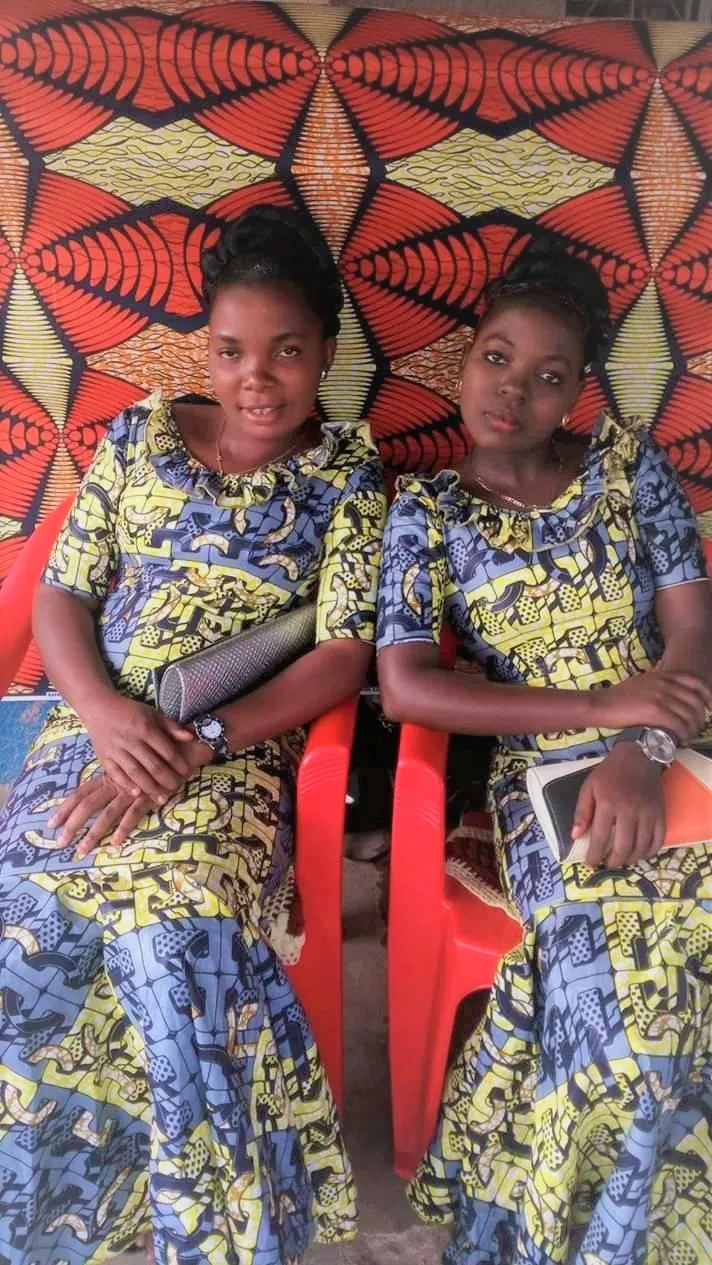
Photo: EdwinAlden.1995, CC BY-SA 4.0, via Wikimedia Commons
There's a moment a lot of people can probably relate to: you're having a rough week, you open your closet, and instead of reaching for the usual gray hoodie, something pulls you toward the bright tangerine jacket you bought on a whim last spring. You put it on. You feel, somehow, a little more ready to face the day.
That's not a coincidence. And it's not magic, either. It's something researchers and fashion psychologists have been tracking for years — and that Gen Z and millennials are now actively, intentionally building into their daily routines.
Welcome to the era of dopamine dressing. But honestly? That phrase barely scratches the surface of what's actually going on.
From 'Dress to Impress' to 'Dress to Decompress'
The old advice — dress for the job you want, not the job you have — was always about performing for someone else. It was outward-facing, aspirational in a very specific, climb-the-ladder kind of way. What's shifted in the last few years is the audience. More and more people are getting dressed for themselves, using color and silhouette as tools for emotional regulation rather than social signaling.
Dr. Carolyn Mair, a behavioral psychologist who specializes in fashion, has written extensively about the psychological relationship between clothing and mental state. Her core argument: what we wear doesn't just reflect how we feel — it actively shapes it. Researchers call this "enclothed cognition," the idea that the symbolic meaning of clothing and its physical experience on the body can influence psychological processes.
In plain English? Your outfit is giving your brain information about who you are today and what you're capable of. And color is one of the loudest signals in that conversation.
The Science of the Color Hit
Not all colors hit the same way, and the research backs that up. Warm tones — reds, oranges, bright yellows — tend to activate energy and alertness. They're stimulating in the most literal neurological sense. Cool tones like deep blues and soft greens have the opposite effect, often associated with calm, focus, and reduced anxiety.
But here's where it gets interesting: personal color psychology isn't universal. Cultural context matters enormously. In the US, white is often associated with simplicity and calm; in other parts of the world, it carries entirely different weight. What a color means to you — based on memory, personal history, and lived experience — can override generalized color theory entirely.
That's why fashion psychologists increasingly emphasize the importance of building what some are calling an "intentional wardrobe" — one organized not by occasion or season, but by the emotional states you want to access on any given day.
Style influencer and content creator Nia Holloway, who has built a following of over 400,000 on TikTok around what she calls "mood-first fashion," puts it simply: "I have a drawer I literally call my 'anxiety drawer' — softer fabrics, muted lavenders, oversized fits. And I have a shelf that's my 'I need to feel powerful today' shelf. Knowing what I need emotionally before I get dressed has changed everything."
The Combinations That Actually Work
So what color pairings are people actually gravitating toward — and do they hold up under scrutiny?
Yellow + White: One of the most consistently mood-lifting combinations in color psychology. Yellow activates serotonin-related responses and is associated with optimism, while white keeps the look from feeling overwhelming. Great for days when you need a gentle push forward.
Cobalt Blue + Cream: Blue's calming properties paired with the warmth of cream creates a grounded, confident feel. This combo shows up constantly in the wardrobes of people who describe wanting to feel "in control without being aggressive."
Terracotta + Rust: Earth tones have surged in popularity post-pandemic, and psychologists suggest it's not random. These colors are deeply associated with warmth, safety, and physical groundedness — feelings a lot of people were desperately craving after years of uncertainty.
Hot Pink + Neutral: The Barbiecore wave wasn't just a movie marketing triumph — it tapped into something real. Saturated pink is one of the most emotionally activating colors in the spectrum, and pairing it with neutrals gives people a way to access that energy without feeling like they're wearing a costume.
Why Gen Z Is Leading This
It would be easy to dismiss dopamine dressing as a TikTok trend with a short shelf life. But the cultural shift underneath it is more durable than that. Gen Z, in particular, grew up in an era where mental health conversations became normalized in ways previous generations never experienced. Therapy-speak entered everyday vocabulary. Emotional regulation became something people actively talked about and worked on.
Fashion was always going to follow. When you've grown up understanding that you have tools to manage your emotional state — breathwork, journaling, therapy, movement — it makes complete sense that you'd start thinking about your wardrobe the same way.
Millennials, meanwhile, are bringing a slightly different energy to the trend: exhaustion. After years of corporate dress codes, pandemic sweatsuits, and the general chaos of adulting, a lot of people in their late 20s and 30s are rediscovering the simple pleasure of caring about what they put on their bodies. Not because they have to. Because it actually feels good.
Building Your Own Mood Wardrobe
You don't need a stylist or a complete closet overhaul to start thinking about dressing more intentionally. A few starting points:
- Pay attention for a week. Notice which outfits leave you feeling flat by 11am and which ones seem to carry you through the day. Start tracking it, even loosely.
- Identify your emotional anchor colors. What colors make you feel like you — not a performance of you, but actually you? Start there.
- Don't ignore texture and fit. Color is powerful, but the physical sensation of clothing matters just as much. Stiff, uncomfortable clothes undercut whatever psychological boost the color might offer.
- Give yourself permission to dress for the mood you want, not the mood you're in. This is the real shift. You're not documenting your current state — you're choosing your next one.
The closet, it turns out, is one of the most underrated wellness tools most of us already own. You might as well use it.