Back From the Dead: 5 Cancelled Shows That Got Their Revenge — and the Fans Who Made It Happen
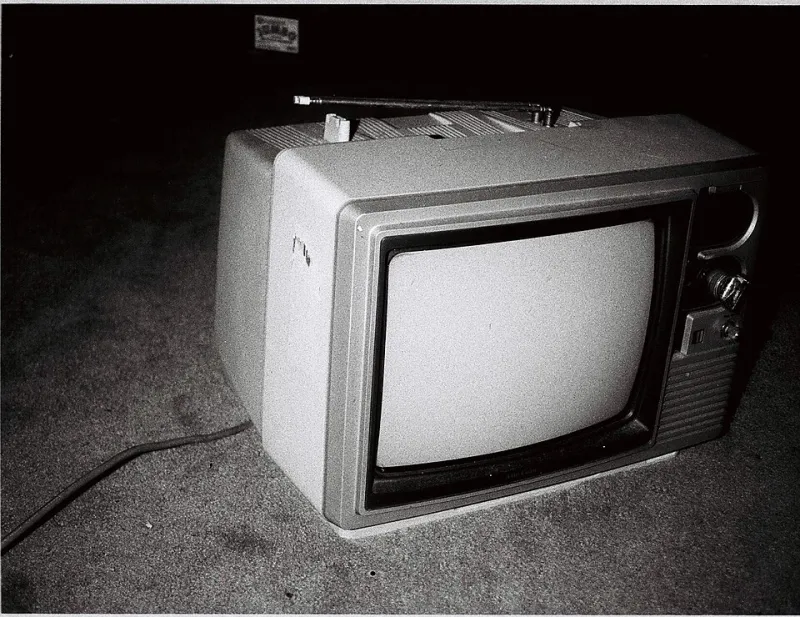
Photo: Matthew Paul Argall from Australia, CC BY 2.0, via Wikimedia Commons
There's a specific kind of grief that comes with a TV cancellation. One week you're deep in a season finale cliffhanger, emotionally invested, making theories in Reddit threads at midnight. The next week, a network executive somewhere decides the ratings weren't there and just... pulls the plug. No closure. No goodbye. Just gone.
For a long time, that was that. Cancelled meant dead. But something has shifted dramatically in the television landscape over the past several years, and shows that once seemed buried are rising again — sometimes years, even decades, after their original run ended. Streaming platforms hungry for content, social media campaigns that refuse to quit, and a viewing audience that has completely changed how it consumes TV have combined to create a second-chance era that nobody in the industry fully predicted.
Here are five shows that got their revenge on cancellation, and the stories behind why their returns actually worked.
1. Arrested Development — The Original Comeback Kid
Before any of the modern revival conversation existed, Arrested Development was doing it first. Fox cancelled the critically beloved but ratings-challenged comedy in 2006 after just three seasons. The show had a devoted, vocal fanbase — but not the mainstream numbers that kept network suits happy.
Then Netflix happened. In 2013, the streaming giant brought the Bluth family back for a fourth season, making it one of the earliest high-profile examples of a streaming platform rescuing a cancelled series. It wasn't a perfect return — the unconventional format divided fans — but it proved the model was viable. Netflix looked at an audience that had been waiting, not one it had to build from scratch.
The lesson? Streaming doesn't need a show to perform on Friday nights at 9 PM. It needs a show people will binge and talk about, and Arrested Development had a built-in army ready to do exactly that.
2. Veronica Mars — When a Fandom Literally Bought Its Show Back
Few cancellation stories are as dramatic as Veronica Mars. The neo-noir teen detective series on UPN (later The CW) was cancelled in 2007 after three seasons, leaving a fiercely loyal fanbase — the so-called "Marshmallows" — absolutely devastated.
What happened next became a landmark moment in fan activism. In 2013, creator Rob Thomas launched a Kickstarter campaign to fund a Veronica Mars movie. The goal was $2 million. It hit that number in less than eleven hours. By the end of the campaign, fans had contributed over $5.7 million — at the time, one of the most successful Kickstarters ever launched.
The movie came out in 2014. Hulu then picked up a full revival season in 2019. The whole arc of this story — from cancellation to fan-funded movie to streaming revival — is essentially the blueprint for what passionate fandoms can accomplish when they organize.
"We always knew the audience was there," Thomas said in a 2019 interview. "The original network just couldn't see past the traditional metrics to find them."
3. Futurama — The Show That Keeps Refusing to Stay Dead
Futurama has been cancelled not once, but twice — and it's still going. Fox originally axed the animated sci-fi comedy in 2003. Comedy Central brought it back in 2008. Comedy Central cancelled it again in 2013. Then, in a move that delighted fans everywhere, Hulu revived it in 2023 with brand new episodes featuring the original cast.
The secret to Futurama's staying power is pretty clear: it never stopped being funny, and its audience never stopped rewatching it. Streaming metrics showed consistent, heavy viewership of the older episodes on various platforms for years — proof that the show had an audience, just not one that fit the old model of appointment television.
Hulu's revival is also a reminder that the streaming landscape has gotten competitive enough that platforms are actively mining nostalgia as a content strategy. A show with twenty years of built-in fans is a safer bet than a brand-new original that might take three seasons to find its audience.
4. Brooklyn Nine-Nine — Saved in Less Than 31 Hours
The Brooklyn Nine-Nine cancellation and revival in 2018 happened so fast it almost felt like a fever dream. Fox cancelled the beloved cop comedy on a Thursday night. By Friday afternoon, NBC had announced it was picking the show up. Total time in purgatory: roughly 31 hours.
What happened in those 31 hours? Social media completely lost its mind. The outcry was immediate, massive, and impossible to ignore — celebrities, fans, and even people who'd never watched the show joined in, driven by genuine love for the series and its cast. Andy Samberg, Stephanie Beatriz, and the rest of the ensemble had built real relationships with their audience, and that audience made enough noise to get a network's attention overnight.
NBC executives have been pretty open about the fact that the social media response was a major factor in their quick decision. In an era where online conversation is increasingly treated as a proxy for audience passion, the Brooklyn Nine-Nine fandom spoke loudly enough to change the outcome in real time.
5. Mindhunter — The One That's Still Fighting
Not every revival story has a happy ending yet — and Mindhunter is the most frustrating example of a show that arguably deserves one. Netflix's David Fincher-produced crime drama about FBI behavioral scientists was placed on "indefinite hold" in 2020. The cast was released from their contracts. No official cancellation, no official renewal. Just silence.
But the fandom has never stopped pushing. The show consistently trends on social media whenever Netflix announces new content. Fan petitions have gathered hundreds of thousands of signatures. The series regularly appears on "best shows you haven't watched" lists that bring new viewers to the old episodes.
This one is still in play. And it represents something important: the revival era has changed fan behavior even before a show gets a second chance. Now, audiences fight while they wait, keeping a show alive in the cultural conversation until someone makes a move.
What This All Actually Means
The common thread running through every one of these stories isn't nostalgia — it's data. Streaming platforms can see exactly how many people are watching old episodes, how long they watch, and how often they come back. That information makes it much harder for networks to claim an audience doesn't exist.
Paired with social media activism that turns fan love into visible, measurable cultural pressure, the old model of "cancelled means gone" is genuinely breaking down. Networks got it wrong the first time because they were measuring the wrong things. Streaming changed the measurement, and the shows came back.
For fans, the message is simple: keep watching. Keep talking. Keep showing up for the shows you love. In 2024's TV landscape, that energy is worth more than it's ever been.
And for the shows still stuck in limbo? We're watching. We're waiting. And we're loud about it.