Beige Is the New Black: Inside America's Obsession With Doing Absolutely Nothing Loud
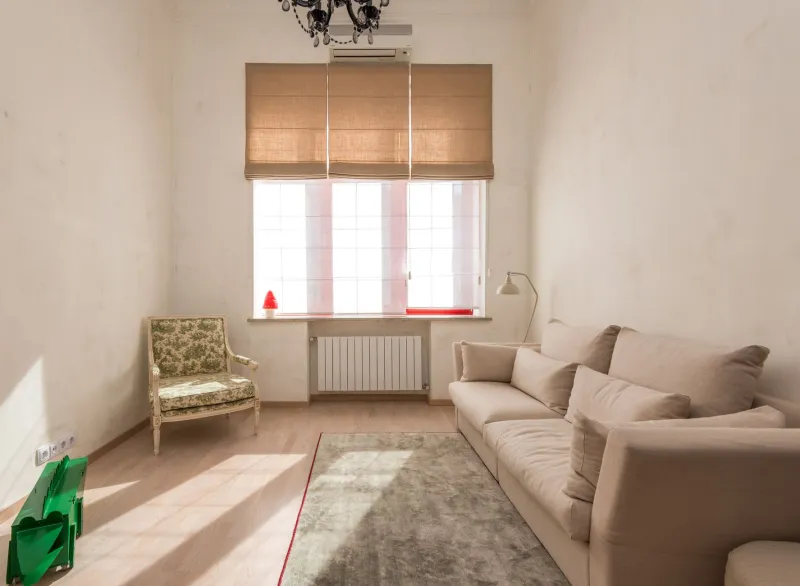
Picture this: a linen-draped apartment, a single ceramic mug, a window with soft morning light, and absolutely zero chaos. No ring light. No trending audio. No color that would make your eyes water. Just... stillness.
That image, in some form, has taken over Pinterest boards, TikTok saves, and Instagram aesthetics from coast to coast. And it's not slowing down. The quiet luxury movement — that hushed, understated, aggressively calm approach to how people dress, decorate, and even consume content — has become one of the defining cultural waves of the mid-2020s. Which is a little ironic, considering how loud the conversation about it has gotten.
So what's actually going on? Why are Gen Z and millennials suddenly obsessed with beige, silence, and the kind of content that, a few years ago, would've been called painfully dull?
The Overstimulation Hangover
Let's be honest: the internet has been a lot lately. Between doom-scrolling, algorithm rabbit holes, and the relentless pressure to be entertained every single second, a lot of people are walking around with what you might call a sensory hangover. Too much input. Too many colors competing for attention. Too many voices, all at once, all the time.
Researchers and therapists have been flagging this for years — the idea that constant digital stimulation doesn't just tire your eyes, it genuinely exhausts your nervous system. And when your nervous system is fried, the brain starts craving the opposite of whatever caused the problem. Enter: beige. Enter: silence. Enter: a 12-minute YouTube video of someone quietly folding laundry that somehow has 4 million views.
This isn't just anecdotal. Search interest in terms like "slow living," "digital minimalism," and "quiet luxury" has spiked dramatically over the past two years. The appetite for less has become, paradoxically, enormous.
What Quiet Luxury Actually Means (And What It Doesn't)
Here's where it gets a little complicated. "Quiet luxury" started as a fashion term — think The Row, Loro Piana, those $800 cashmere sweaters in colors with names like "oat" and "fog." The idea was that real wealth doesn't need to announce itself. No logos. No flash. Just impeccable quality whispering from across the room.
But the concept leaked out of fashion pretty fast. Now it applies to home aesthetics (neutral palettes, natural materials, zero clutter), to content consumption (ASMR, slow TV, ambient playlists), and even to how people are choosing to spend their weekends. Farmers markets over music festivals. Hiking trails over rooftop bars. A really good book over a binge-watch spiral.
What it doesn't necessarily mean is wealth, even though the original fashion version was very much about that. The version most people are living is more about intentionality — choosing fewer things, quieter experiences, and environments that don't demand anything from you.
Brands Saw This Coming Before You Did
Of course, the moment a cultural shift shows up on mood boards, brands are already three steps ahead. And the quiet luxury wave is no exception.
Companies like Muji, Parachute, and Brooklinen built entire identities around this aesthetic before it had a name. Now everyone from Target to Pottery Barn is racing to offer their version of "calm in a box" — muted product lines, earthy tones, minimalist packaging that practically whispers "slow down" at you from the shelf.
Even content platforms are adapting. Spotify's ambient and focus playlists have seen massive growth. YouTube's "slow TV" category — long, unnarrated footage of train rides, fireplace videos, rain on windows — pulls in millions of passive viewers who just want background calm. Streaming services are quietly (pun intended) noticing that not everything needs to be peak prestige drama to hold an audience.
The irony, of course, is that brands selling you quietness are still selling you something. The minimalist aesthetic has become its own form of consumption — just a more muted, self-congratulatory version of it. A $300 "simple" linen throw is still a $300 throw.
The Gen Z Angle: Rebellion in Neutral Tones
For younger audiences, the pull toward quieter aesthetics isn't just about exhaustion — it's also a statement. Gen Z grew up inside the loudest internet era in history. Maximalism, hyperpop, information overload, and the relentless performance of personality online were the water they swam in. Choosing beige, in that context, is almost punk.
There's a reason "that girl" aesthetics and "clean girl" routines went viral — they offered a counter-narrative to the constant hustle and highlight-reel pressure of social media. Even if the aesthetic itself became another thing to perform (the irony of posting your minimalist morning routine is not lost on anyone), the underlying desire felt genuine: I want to opt out of the noise.
Millennials, meanwhile, are arriving at a similar place from a different direction — burnout. Years of hustle culture, economic uncertainty, and a pandemic that scrambled everyone's sense of normal left a lot of people quietly reassessing what they actually want their lives to look like. Spoiler: for a lot of them, it looks like fewer things and more space.
The Vivido Paradox
Now, here at Vivido, we're a little biased. Our whole thing is life in full color — loud, vibrant, and unapologetically alive. So what do we do with a cultural moment that's actively rejecting all of that?
Honestly? We think both things can be true at once.
The craving for quiet isn't the enemy of a colorful life — it might actually be what makes color meaningful again. When you spend time in the stillness, when you clear out some of the noise, you actually start to notice things more. The way afternoon light turns a room golden. The specific feeling of a song that hits you exactly right. The pleasure of a meal you actually tasted instead of scrolled through.
Quiet isn't the opposite of vivid. It's the breath before the note drops.
So, Should You Go Beige?
Here's the honest take: if your nervous system is telling you it needs a break, listen to it. Step away from the scroll. Wear the oatmeal sweater. Let a fire video play in the background while you do exactly nothing. There is zero shame in that.
But don't mistake aesthetic minimalism for actual peace. A beige apartment doesn't automatically make life simpler. And a carefully curated "slow living" feed is still a feed.
The real quiet luxury — the kind that doesn't cost anything — is just permission. Permission to want less stimulation without feeling like you're missing out. Permission to let a moment be boring and good at the same time.
And maybe, once in a while, permission to come back here and turn it all the way up again.